

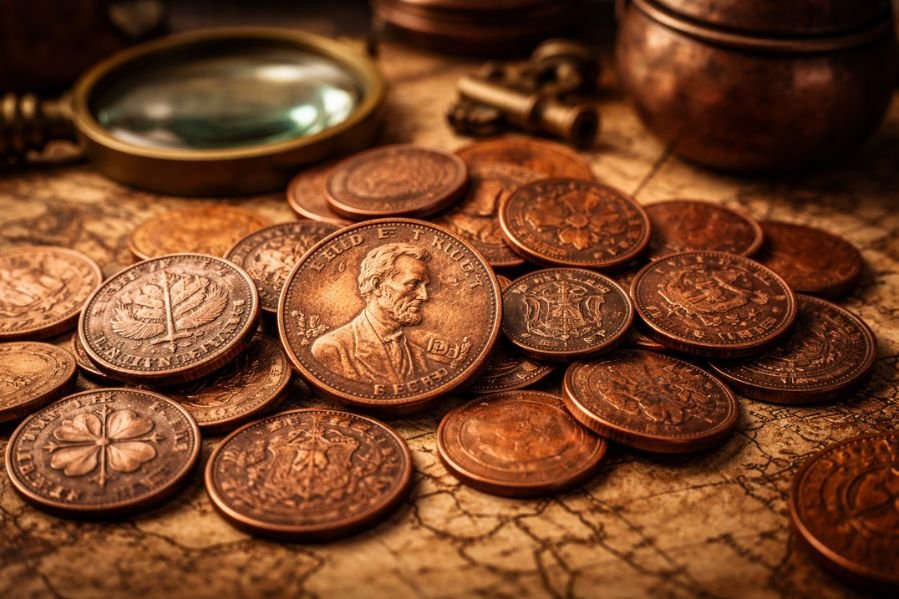

Imagine holding a copper coin in your palm. This small object is more than old currency—it’s a window into history, metallurgy, and culture, and sometimes it even holds surprising value. People are drawn to copper coins for many reasons: some love the reddish colour that ages into rich browns and chocolate, while others relish the ‘treasure hunt’ of searching for older coins, key dates, or mint mistakes. Many begin with a simple goal, such as filling a date folder, only to discover that numismatics brims with stories from wars, economies, and shifting technology. Copper coins aren’t just collectables; they also appear in jewellery, souvenirs, and specialised industries. Understanding what makes a copper coin special helps you avoid myths, make smarter buys, and appreciate why these coins endure today.
The Copper Coin Through History: From Everyday Money to Collector Favourite
For centuries, copper has been a natural choice for low-denomination money because it is workable, durable, and widely available. A traditional copper coin was meant to be spent, not saved, which is exactly why surviving older pieces can be exciting today. Copper coins circulated widely, picked up scratches and dings, and were often lost or discarded when they became too worn. That heavy use means high-quality older copper coins are much harder to find than people expect. Over time, nations adjusted their coin formulas as copper prices fluctuated, new metals became cheaper, and mints sought better ways to produce coins in large quantities. These changes created “eras” of copper coinage that collectors now study closely. A small design update, a switch in metal composition, or a short-lived minting experiment can turn an ordinary coin into a meaningful piece of history. The fascination grows when you realise that copper coins often reflect the challenges of their time—shortages, inflation, and industrial progress—right on their surfaces.
What Makes a Copper Coin Valuable: The Four Big Drivers
The value of a copper coin usually comes from a mix of factors, not one single reason. The first is rarity, which can be true rarity (low mintage) or practical rarity (few survivors in nice condition). The second is a condition, sometimes called grade, which measures wear, marks, and the amount of original detail still visible. Copper is especially sensitive here because it shows handling and environmental damage easily. The third factor is demand, because even a scarce coin won’t sell strongly if collectors aren’t actively hunting for it. The fourth factor is special characteristics, such as mint errors, varieties, or unusual historical context. A coin with a dramatic error, such as a misaligned planchet strike or a major misalignment, can attract attention far beyond its date and mintmark. Many people assume the metal content alone drives value, but in most collectable copper coins, numismatic value outweighs melt value by a wide margin. That’s why a common older copper coin in worn condition may still be worth only a modest amount, while a sharply preserved example of the same coin can climb dramatically in price.
Metal Content and Composition: Why “Copper” Isn’t Always Pure Copper
Not every coin that looks copper is pure copper. In everyday conversation, “copper coin” often means a coin that is mostly copper or copper-colored, but the actual composition can vary. Many older coins were high-copper alloys, sometimes mixed with small amounts of tin or zinc to improve hardness. In other eras, copper combined with nickel was used for durability. Modern low-denomination coins in some countries may be copper-plated rather than solid copper, meaning the outer layer is copper while the core is a cheaper metal. This is one reason collectors and sellers sometimes talk past each other: one person is thinking of copper colour, while another is thinking of copper percentage. If your interest is in the coin’s metal content, you need to identify the coin’s era and composition rather than relying solely on appearance. If your interest is collecting, composition still matters because a change in metal type can mark a transitional year, and transitional years often produce collectable varieties that people actively seek.
The Famous Case of Copper Pennies: Why People Hunt Pre-Change Coins
One of the most popular entry points into the copper coin hobby is the classic copper penny. People love the idea that older pennies contain a higher percentage of copper than later issues, and that simple fact creates a sense of hidden value in everyday change. While metal value can be interesting, collectors should keep expectations realistic. Most common-date copper pennies are plentiful and heavily circulated, so their collectable value is usually modest unless they are high-grade, scarce varieties, or unusual errors. Still, the hunt itself is fun because it mixes history with daily life. A penny jar becomes a time capsule, and a roll from the bank can contain coins from multiple decades. For beginners, copper pennies also teach core skills such as identifying dates, spotting mintmarks, recognising condition differences, and understanding how storage affects surfaces. The most rewarding approach is to treat copper pennies as a learning platform first and a profit plan second. When you learn to separate ordinary coins from interesting ones, you build the habits that help in every other area of coin collecting.
Collectable Copper Coins Beyond Pennies: World Issues, Themes, and Modern Releases
A copper coin can also be a modern collectable, especially in countries that release themed coins for collectors. These pieces may celebrate cultural symbols, animals, landmarks, or lucky motifs, and they are often sold in attractive packaging. The appeal here is different from hunting old circulation coins. Modern copper collectables are usually bought directly from official sellers or coin dealers, and the condition is typically excellent because they were never meant for daily spending. Collectors enjoy these coins for their designs, limited mintages, and the satisfaction of owning a complete themed series. Some people view them as gifts or souvenirs, while others treat them as formal additions to a collection. The key is to recognise that modern collectable copper coins often carry premiums above their metal value, meaning you are paying for artistry, marketing, and scarcity rather than raw copper. If you love the design, that premium can feel worthwhile. If your goal is strictly investment, you should compare prices carefully and understand that not every modern release becomes more valuable over time.
Condition and Copper: Why Copper Coins Are Graded So Strictly
Copper surfaces can be unforgiving. A copper coin reacts more visibly than many other metals when exposed to moisture, oils, and contaminants. That is why collectors pay close attention to colour, surface quality, and signs of cleaning. Natural copper tones can range from bright reddish shades to warm browns, and many collectors strongly prefer coins that retain original, undisturbed surfaces. Harsh cleaning can leave scratches, an unnatural shine, or a “washed out” look that reduces collector demand. Even well-meaning attempts to “improve” a coin can lower its value. This is one of the biggest beginner mistakes. A coin that looks dull might actually be correctly aged, while a shiny coin might be damaged. If you’re serious about copper coins, it’s better to learn safe storage and gentle handling than to experiment with cleaning. Over time, you’ll develop an eye for natural surfaces versus altered ones, and that skill can protect you from overpaying.
Identifying a Copper Coin: Practical Checks Collectors Use
To confidently identify a copper coin, collectors usually combine several simple checks. Date and type are the first clues because many coin series have well-known composition ranges. Weight can also help because copper alloys often weigh differently than plated coins, though you need accurate scales and official specifications for the best results. Sound tests can be misleading because coin size and alloy both affect sound, so most serious collectors rely more on known composition data. Visual inspection remains important: worn copper plating can reveal a different-coloured core on plated coins, and edge examination can sometimes hint at layered construction. However, appearance alone is not enough for certainty. The most reliable method is to learn the standard compositions for the coin series you collect, then verify the specific year and mint. When you do this, you stop guessing and start classifying, which is how collectors build organised, confident collections.
The Industrial Meaning of “Copper Coin”: A Different World of Utility
Interestingly, “copper coin” can also refer to an industrial component rather than money. In electronics and thermal engineering, a copper “coin” may be a solid insert used for heat transfer, especially in circuits that need to move heat away from high-power components. This use has nothing to do with numismatics, yet the term overlaps because the pieces are coin-shaped. It’s a reminder that copper remains valuable not only for beauty and history, but also for its practical properties. Copper is an excellent conductor of heat, which makes it useful in designs where overheating would reduce performance or shorten lifespan. While collectors and engineers may use the same phrase, they mean different objects, and context matters. If you see “copper coin” in technical discussions, it may refer to thermal management rather than collectable currency.
Smart Buying Tips: How to Avoid Common Copper Coin Traps
If you’re buying a copper coin, the safest move is to buy the coin, not the story. Sellers sometimes hype “rare” coins that are actually common, or they highlight high auction results that only apply to top-graded examples. Before paying a premium, compare multiple listings, learn which dates are truly scarce, and understand how condition affects price. Be careful with vague descriptions like “old” or “antique,” because age alone doesn’t guarantee value. Also watch for replicas, altered dates, and misleading “copper” claims, as the item may actually be brass or plated. If you’re buying online, clear images are essential. Look for photos of both sides, close-ups of dates and mintmarks, and honest disclosure of scratches or spots. In-person buying can be even better because you can inspect surfaces under good lighting and compare coins directly. Most importantly, focus on building knowledge. A modest budget paired with a strong understanding will usually outperform a large budget paired with guesswork.
Storing and Caring for Copper Coins: Preserve the Surfaces, Preserve the Value
Proper storage is one of the best investments you can make in a copper coin collection. Copper reacts to humidity and contaminants, so a stable environment matters. Hold coins by the edges, avoid touching the faces, and store them in coin-safe holders made for numismatics. Keep them away from moisture, harsh chemicals, and extreme temperature swings. If you live in a humid area, consider using a controlled storage box and monitoring humidity levels. The goal is to prevent spots, corrosion, and uneven toning caused by poor storage. When a copper coin is protected well, it can retain its attractive natural colour and original surfaces for decades. And since condition plays such a big role in collector value, good storage is not just about neatness—it’s about protecting the long-term quality of your collection.
Conclusion: The Copper Coin Is Small, but the Story Is Huge
A copper coin may look simple, but it sits at the crossroads of history, metal science, collecting culture, and even modern industry. Whether you’re sorting through old pennies, buying themed collector issues, or studying rare varieties and mint errors, copper coins reward curiosity. Their value is shaped by rarity, condition, collector demand, and the unique features that set one coin apart from another. At the same time, copper’s sensitivity means careful handling and storage matter more than many beginners realise. If you approach copper coins with patience and a desire to learn, you’ll build not only a collection but also a deeper understanding of how money, materials, and human habits evolve over time. The best part is that a copper coin hobby can start with something as simple as a jar of change and grow into a lifelong interest that connects you to the past in a way few objects can.
Disclaimer
This is just my personal analysis, not financial advice.
