

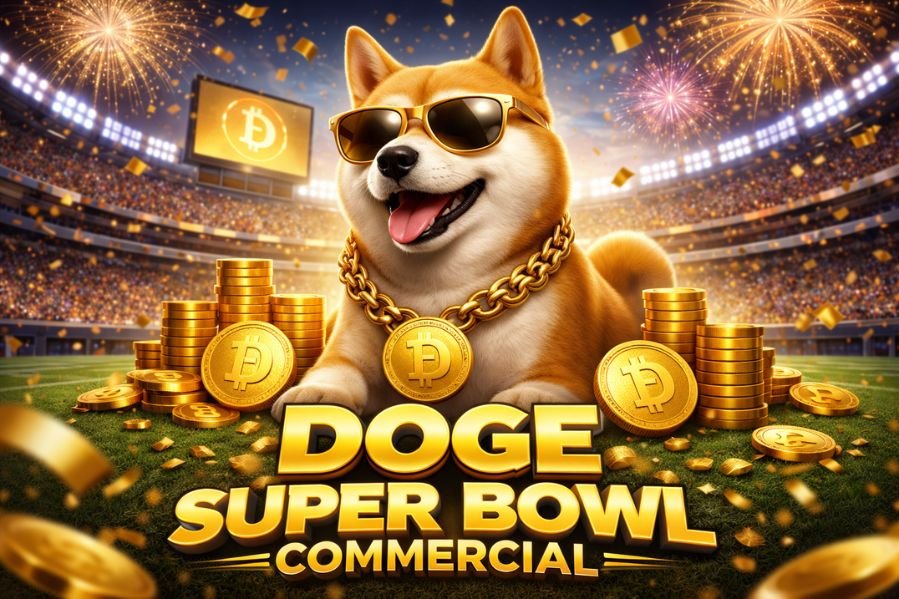

Few phrases in recent years have sparked as much curiosity as the Doge Super Bowl commercial. The idea of Dogecoin—a meme-born cryptocurrency inspired by a Shiba Inu dog—securing a multimillion-dollar Super Bowl advertising slot feels both outrageous and strangely believable. The Super Bowl is the most expensive advertising stage in the world, and Dogecoin has always thrived on internet spectacle. When rumours began circulating that a Dogecoin commercial had aired—or was about to air—many people accepted it without hesitation.
The confusion is understandable. Super Bowl commercials are cultural events in themselves, generating headlines, memes, and social media debates long after the game ends. Cryptocurrency brands have previously invested heavily in these ad spots, especially during the height of the digital asset boom. Against that backdrop, the idea of a Doge Super Bowl commercial felt like a logical next step in crypto’s quest for mainstream validation. Yet despite the viral claims, there has never been an official Dogecoin Super Bowl advertisement.
Why the Super Bowl Is the Ultimate Advertising Stage
To understand the fascination with the Doge Super Bowl commercial narrative, it is important to examine what the Super Bowl represents in the marketing world. A single 30-second commercial during the game can cost millions of dollars, with total campaign budgets often climbing far higher once production and promotion are included. Companies do not simply buy airtime; they buy cultural relevance.
For emerging industries, the Super Bowl signals legitimacy. When technology companies, streaming platforms, and cryptocurrency exchanges began purchasing ad slots, it marked a shift from niche adoption to mainstream recognition. During certain years, the Super Bowl was even dubbed the “Crypto Bowl” due to the heavy presence of digital asset brands. In that context, many assumed that Dogecoin would eventually join the lineup. After all, Dogecoin has one of the most recognisable mascots in the cryptocurrency world and a passionate online community ready to amplify any marketing effort.
However, buying a Super Bowl ad is not just about visibility; it requires strategic positioning, regulatory clarity, and substantial financial backing. Dogecoin, unlike centralised crypto exchanges or venture-backed platforms, is a decentralised digital currency. There is no single corporate entity responsible for its branding in the same way a company manages its advertising campaigns. This structural reality alone makes an official Doge Super Bowl commercial far less likely than many assume.
The 2022 “Crypto Bowl” and Dogecoin’s Absence
The 2022 Super Bowl became a turning point for crypto advertising. Multiple cryptocurrency companies invested heavily in commercials, hoping to capture the excitement of a rapidly growing market. Exchanges launched splashy campaigns featuring celebrities, cinematic storytelling, and bold messaging about financial freedom. The spectacle fueled speculation that Dogecoin might appear in future broadcasts.
Yet Dogecoin was notably absent. While other crypto brands pursued aggressive advertising strategies, Dogecoin remained primarily a community-driven project. The contrast between corporate-backed crypto companies and Dogecoin’s decentralised identity became clear. The Doge Super Bowl commercial remained an idea fueled by enthusiasm rather than reality.
Ironically, the absence of Dogecoin may have strengthened its mystique. Online communities began creating mock concepts, parody ads, and speculative discussions imagining what a Dogecoin Super Bowl spot might look like. These fan-made creations blurred the line between fiction and fact, leading some viewers to believe that an official commercial had actually aired.
The Viral 2021 Fan-Made Commercial
In 2021, a fan-created Dogecoin video circulated widely on social media. Styled like a genuine Super Bowl advertisement, the clip featured emotional music, inspirational narration, and references to the underdog spirit that Dogecoin embodies. It was polished enough to appear authentic to casual viewers.
The viral spread of the video demonstrated the power of decentralised marketing. Without a corporate sponsor or paid broadcast slot, the clip reached millions. Some celebrities and influencers shared it, further amplifying its reach. Many users mistakenly believed they had missed a real Doge Super Bowl commercial during the game.
This incident highlights how internet culture can create perceived reality. In an era where clips are shared in isolation, divorced from original context, viewers often assume that viral content corresponds to official events. The Dogecoin community’s creativity inadvertently fueled widespread misunderstanding.
Elon Musk and the Amplification Effect
No discussion of the Doge Super Bowl commercial rumours would be complete without mentioning Elon Musk’s influence. Over the years, Musk has frequently referenced Dogecoin on social media, causing price fluctuations and renewed public interest. His playful endorsements strengthened the perception that Dogecoin had powerful backers capable of funding a Super Bowl ad.
In 2025, viral claims suggested that Musk had purchased multiple Super Bowl ad slots to promote a so-called “Department of Government Efficiency,” humorously abbreviated as DOGE. The story spread rapidly across social media platforms, blending satire with political commentary. Fact-checkers later confirmed that the claims originated from parody accounts, yet the narrative persisted in online discussions.
The episode revealed how quickly misinformation can attach itself to a trending keyword. Once “doge super bowl commercial” entered the conversation, it became a magnet for speculative headlines and exaggerated claims. The combination of Musk’s notoriety, Dogecoin’s meme origins, and the grandeur of the Super Bowl created the perfect storm for viral mythmaking.
The Psychology Behind Believing the Rumour
Why are so many people willing to believe in a Doge Super Bowl commercial that never existed? The answer lies in human psychology. First, there is the power of repetition. When a claim appears frequently on social media, it gains perceived credibility. Second, there is confirmation bias. Those who already view Dogecoin as a disruptive cultural force are inclined to believe it would take bold advertising steps.
Additionally, Dogecoin’s meme-based identity makes extraordinary scenarios feel plausible. Dogecoin began as a joke and evolved into a multibillion-dollar cryptocurrency. When a project has already defied expectations, the idea of a surprise Super Bowl commercial seems consistent with its unpredictable history.
The rumour also thrives on aspirational thinking. Supporters of Dogecoin often see it as a symbol of grassroots financial empowerment. An official Super Bowl advertisement would represent mainstream acknowledgement of that movement. Even if untrue, the story aligns with the hopes of its community.
The Business Reality of a Doge Super Bowl Commercial
From a practical standpoint, launching an official Doge Super Bowl commercial would present significant challenges. Super Bowl ads require a centralised decision-maker, a marketing budget, and legal accountability. Dogecoin’s decentralised nature means there is no single marketing department authorised to make such a purchase on behalf of the network.
Even if individual investors or prominent supporters wanted to fund an advertisement, questions would arise about messaging, trademark usage, and regulatory compliance. Cryptocurrency advertising has faced increasing scrutiny, particularly after market volatility and high-profile industry collapses. Any campaign tied to a cryptocurrency must carefully navigate legal and reputational risks.
Moreover, Dogecoin’s brand identity is rooted in humour and community engagement rather than traditional corporate messaging. Translating that spirit into a polished Super Bowl commercial without losing authenticity would be a complex task.
The Role of Misinformation in the Digital Age
The persistence of the Doge Super Bowl commercial myth underscores a broader issue: the speed at which misinformation spreads online. Social media algorithms prioritise engagement, not verification. Sensational claims travel faster than corrections. By the time fact-checkers debunk a rumour, millions may have already seen and shared it.
In the case of Dogecoin, the meme-driven culture amplifies this effect. Humour, parody, and satire are core components of its identity. However, satire can be easily misinterpreted when taken out of context. A joke tweet can evolve into a headline, which then becomes accepted as fact in online discussions.
This pattern highlights the importance of media literacy. Consumers must critically evaluate claims, especially when they involve high-profile events like the Super Bowl. Just because a story is entertaining does not mean it is accurate.
Could a Doge Super Bowl Commercial Ever Happen?
While no official Doge Super Bowl commercial has aired to date, the future remains uncertain. Cryptocurrency adoption continues to evolve, and marketing strategies shift with market conditions. If a well-funded organisation were to formally align itself with Dogecoin, an advertisement could theoretically be possible.
However, such a move would likely alter Dogecoin’s grassroots identity. Part of its appeal lies in its organic growth and community-driven narrative. A highly polished, corporate-backed Super Bowl commercial might clash with the brand’s playful irreverence.
Ultimately, the myth of the Doge Super Bowl commercial may be more powerful than an actual advertisement. The speculation keeps Dogecoin in cultural conversations without the financial risk of purchasing airtime.
Conclusion
The phrase doge super bowl commercial captures the intersection of internet culture, cryptocurrency enthusiasm, and the spectacle of mainstream advertising. Despite viral rumours and fan-made videos, there has never been an official Dogecoin Super Bowl ad. The belief in its existence reflects the power of memes, celebrity influence, and digital misinformation rather than documented broadcast history.
Dogecoin’s journey from joke cryptocurrency to global phenomenon has blurred the lines between parody and reality. In a world where online narratives spread instantly, even fictional Super Bowl commercials can feel authentic. For now, the Doge Super Bowl commercial remains a fascinating case study in how modern myths are created—and why they endure.
Disclaimer
This is just my personal analysis, not financial advice.
