


Introduction: Why Understanding a Litecoin Address Is Essential
A Litecoinaddress is one of the most fundamental components of using Litecoin, yet many users overlook its importance until something goes wrong. Whether you are sending or receiving funds, your entire transaction depends on the accuracy and correctness of this address. In simple terms, a Litecoinaddress serves as a digital destination for your funds, similar to how an email address receives messages or a bank account receives money.
As cryptocurrency adoption continues to grow, understanding how a Litecoin address works becomes increasingly important. Mistakes in handling addresses can result in irreversible fund loss, making it crucial for users to understand address formats, usage, and best practices. This guide will walk you through everything you need to know, from basic concepts to advanced insights, ensuring you can use Litecoin with confidence and security.
What Is a Litecoin Address and How Does It Work
A Litecoin address is a string of alphanumeric characters that represents a destination on the Litecoin blockchain. When someone wants to send you Litecoin (LTC), they need your address to complete the transaction. Behind the scenes, this address is derived from a pair of cryptographic keys—a public key and a private key. The public key generates the address, while the private key allows you to access and spend the funds associated with that address.
The system is designed to be secure and decentralised, meaning no central authority controls your funds. Instead, ownership is verified through cryptographic signatures. This is why protecting your private key is extremely important; anyone who has access to it can control your funds. A Litecoin address itself is safe to share publicly, but it must always be handled carefully to avoid errors or malicious interference.
Types of Litecoin Address You Should Know
There are three main types of Litecoin address formats, and each serves a slightly different purpose. Understanding these types helps you choose the most efficient and compatible option for your transactions.
Native SegWit (Bech32) Addresses
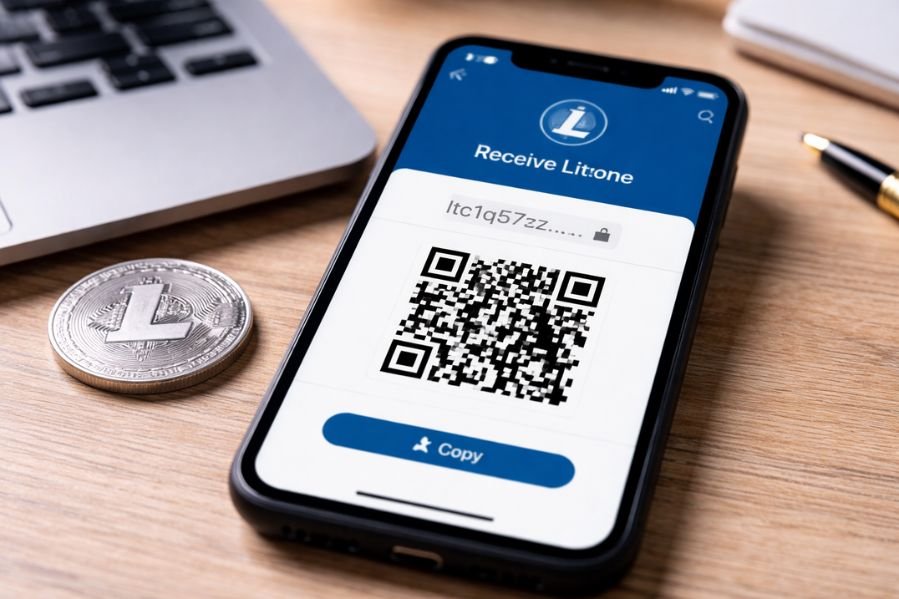
The most modern and recommended type is the Native SegWit address, which begins with “ltc1.” These addresses are designed to improve efficiency, reduce transaction fees, and enhance error detection. Because of their advanced structure, they reduce the amount of data required in transactions, making them faster and cheaper. Most modern wallets support this format, making it the preferred choice for users who want optimal performance and cost savings.
SegWit (P2SH) Addresses
The second type is the SegWit (P2SH) address, which starts with the letter “M.” This format was introduced as a transitional solution to bring SegWit benefits to older systems. While not as efficient as Native SegWit, it still offers lower fees than legacy addresses and broader compatibility with older wallets and exchanges.
Legacy (P2PKH) Addresses
Legacy addresses are the original format and start with the letter “L.” These addresses are still widely supported but are considered inefficient. Transactions using legacy addresses tend to have higher fees and larger data sizes. However, they remain useful in situations where compatibility with older systems is required.
How to Generate a Litecoin Address
Creating a Litecoin address is a straightforward process that typically involves using a cryptocurrency wallet. Wallets can be software-based (mobile or desktop), hardware devices, or web-based platforms. When you install and set up a wallet, it automatically generates a set of cryptographic keys and provides you with one or more addresses.
To generate a new address, you usually need to navigate to the “Receive” section within your wallet. From there, the wallet will display your Litecoin address along with a QR code for convenience. Many modern wallets also generate a new address for each transaction to enhance privacy, making your transaction history harder to trace.
How to Use a Litecoin Address for Transactions
Using a Litecoin address is simple but requires attention to detail. When receiving funds, you share your address with the sender. When sending funds, you must input the recipient’s address accurately into your wallet. Even a small mistake can result in funds being sent to the wrong destination, often irreversibly.
Before confirming a transaction, double-check the address. Many users check the first and last few characters for accuracy. Some wallets let you scan QR codes, reducing errors from manual entry. Once confirmed on the blockchain, the transaction is permanent and cannot be undone.
Common Mistakes to Avoid with Litecoin Addresses
A common mistake is sending Litecoin to an incompatible address, like a Bitcoin address. This can cause permanent loss if the platform does not support recovery. Copying and pasting the wrong address, due to malware or clipboard hijacking, is another frequent issue. Malicious software can replace your address with a fake one.
Users should also avoid reusing the same Litecoin address repeatedly, as this can compromise privacy. While older addresses remain valid, generating a new one for each transaction is a safer practice. Additionally, ensure your wallet software is always up to date to protect against vulnerabilities and security threats.
Security Best Practices for Litecoin Addresses
Security is a critical aspect of managing a Litecoin address. Since cryptocurrency transactions are irreversible, taking preventive measures is essential. One of the most important practices is safeguarding your private keys. Never share them with anyone and store them securely, preferably offline.
Using hardware wallets is a strong way to enhance security. They keep private keys away from internet-connected devices. Turn on two-factor authentication (2FA) for your wallet or exchange. Regularly back up your wallet to avoid data loss if your device fails.
Watch out for phishing attacks and fake apps. Always download wallet software from official sources. Check any platform’s authenticity before entering your details. Following these steps greatly reduces your risk of losing funds.
Advantages of Using Modern Litecoin Address Formats
Modern Litecoin address formats, especially Native SegWit, offer several advantages over older formats. They provide lower transaction fees, faster processing times, and improved scalability. These benefits make them ideal for frequent transactions and everyday use.
Modern formats reduce mistakes by improving error detection, so you’re less likely to send funds to an invalid address. They also help the Litecoin network run more efficiently.
The Future of Litecoin Addresses
As blockchain technology continues to evolve, the concept of a Litecoin address is expected to improve as well. Innovations such as enhanced privacy features, simplified address formats, and improved user interfaces are likely to make cryptocurrency transactions more accessible to the general public.
Developers are constantly working on solutions to reduce complexity and improve security, enabling users to interact with the Litecoin network more easily. As adoption increases, the importance of understanding and properly using Litecoin addresses will continue to grow, making them a key component of the cryptocurrency ecosystem.
Conclusion: Mastering Litecoin Addresses for Safe Transactions
Understanding a Litecoin address is essential for anyone involved in cryptocurrency. From knowing the different address types to following best security practices, every aspect plays a role in ensuring safe and efficient transactions. By choosing the right address format, double-checking transaction details, and protecting your private keys, you can confidently navigate the world of Litecoin.
As you continue to use Litecoin, developing a habit of careful, informed use will help you avoid common pitfalls and maximise its benefits. With the right knowledge and approach, managing a Litecoin address is simple and secure.
Disclaimer
This article is for information only and is not financial advice. Cryptocurrency transactions are risky. Users must verify addresses and secure their funds. Always research and use trusted wallets and platforms when using Litecoin or any other digital asset.
For More Information cryptobignews.com
